
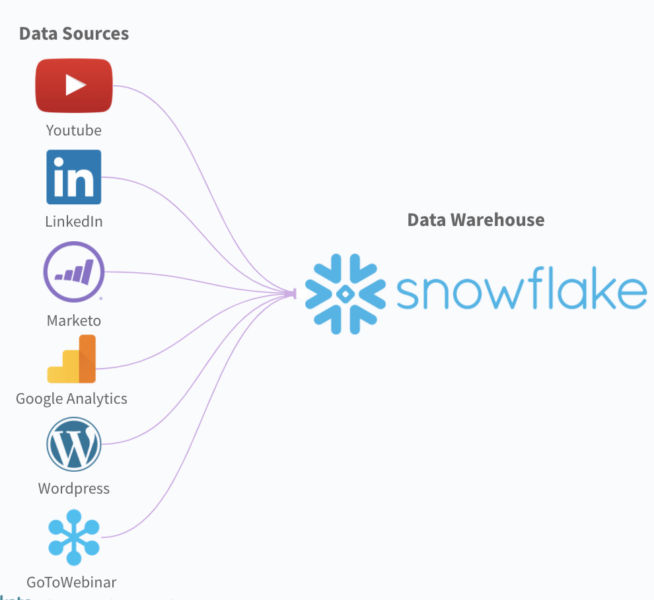
Modern businesses generate and manage data across multiple applications, platforms, and systems. From CRM and finance tools to support platforms and AI workflows, valuable information is often spread across disconnected environments.
Data integration helps businesses unify that information into a connected and reliable ecosystem.
What Is Data Integration?
Data integration is the process of combining, synchronizing, and managing data from multiple systems into a unified environment.
It allows businesses to connect applications, eliminate data silos, and ensure information moves consistently across the organization.
Data integration helps improve operational visibility, reporting accuracy, automation, and decision-making.
Why Data Integration Matters
As organizations adopt more software and cloud platforms, managing disconnected data becomes increasingly difficult.
Without proper integration, businesses often face:
- Inconsistent or duplicate data
- Manual data entry and transfers
- Limited visibility across departments
- Delayed reporting and workflows
- Operational inefficiencies
Data integration helps create a centralized and connected flow of information across systems and teams.
How Data Integration Works
Data integration connects applications, databases, APIs, and cloud systems through automated workflows and integration platforms.
These integrations can:
- Synchronize data between systems
- Standardize information formats
- Update records in real time
- Support reporting and analytics
- Enable automated workflows across departments
Modern integration platforms simplify this process with connectors, automation tools, and centralized governance.
Common Types of Data Integration
Application Data Integration
Connects business applications such as CRM, ERP, support, and marketing platforms.
Cloud Data Integration
Synchronizes data between cloud applications and infrastructure.
API-Based Integration
Uses APIs to transfer and manage data securely between systems.
Real-Time Data Integration
Updates and synchronizes information instantly across platforms.
Data Warehouse Integration
Moves and consolidates data for reporting, analytics, and business intelligence.
Benefits of Data Integration
Better Data Accuracy
Connected systems reduce duplicate records and manual errors.
Improved Operational Visibility
Businesses gain a more complete view of operations and performance.
Faster Decision-Making
Reliable and connected data supports quicker business insights.
Increased Efficiency
Automated data movement reduces manual administrative work.
Scalability
Organizations can manage growing data environments more effectively.
Data Integration and AI
AI systems rely heavily on connected and accurate business data.
Without integrated data, AI tools and automation platforms struggle to deliver meaningful insights and actions.
Data integration helps organizations connect AI workflows with trusted business systems, operational data, and enterprise processes — enabling more intelligent and scalable automation.
Final Thoughts
Data integration is a critical part of modern digital infrastructure.
By connecting systems, synchronizing information, and improving data accessibility, businesses can build more efficient, scalable, and AI-ready operations across the organization.