
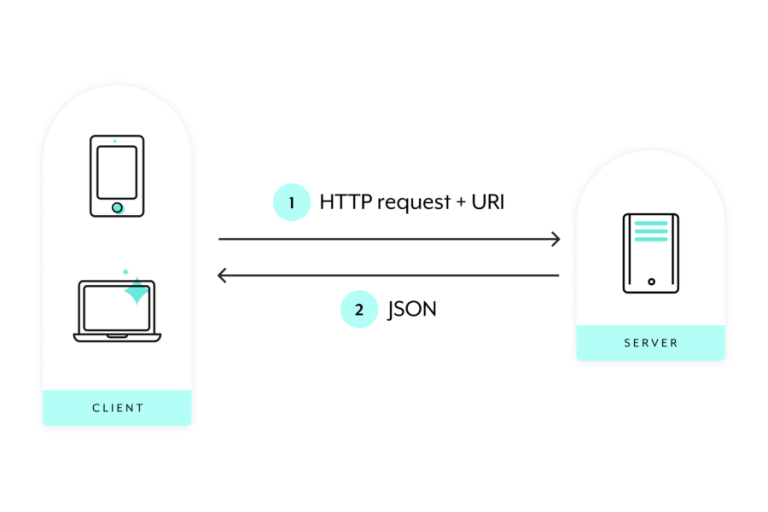
Modern businesses rely on multiple applications, platforms, and services to manage operations. From CRM and finance systems to AI tools and cloud applications, these systems need to communicate efficiently to support connected workflows.
API integration makes that possible.
What Is API Integration?
API integration is the process of connecting different applications and systems through APIs so they can exchange data and perform actions automatically.
APIs allow software platforms to communicate with each other securely and in real time, helping businesses streamline workflows and reduce manual processes.
API integration plays a critical role in modern digital operations by creating seamless connectivity across systems and services.
Why API Integration Matters
As organizations adopt more software and cloud services, disconnected systems can create operational inefficiencies and data silos.
Without API integration, businesses often face:
- Manual data transfers
- Duplicate information across systems
- Delayed workflows
- Inconsistent business data
- Limited automation capabilities
API integration helps businesses create connected workflows that improve efficiency, speed, and operational visibility.
How API Integration Works
API integrations allow systems to send and receive information through predefined requests and responses.
These integrations can automatically:
- Sync data between applications
- Trigger actions across systems
- Update records in real time
- Connect cloud and enterprise platforms
- Automate operational workflows
Modern integration platforms simplify API connectivity with prebuilt connectors, automation tools, and centralized management.
Common Types of API Integrations
Application Integrations
Connect business applications such as CRM, ERP, support, and marketing platforms.
Cloud Integrations
Enable communication between cloud-based applications and infrastructure.
Data Integrations
Synchronize and standardize information between systems and databases.
Workflow Integrations
Automate multi-step processes across teams and applications.
AI & Automation Integrations
Connect AI agents and intelligent workflows with business systems and operational data.
Benefits of API Integration
Improved Efficiency
Automated integrations reduce repetitive manual tasks across the organization.
Faster Workflows
Real-time connectivity helps teams move faster and operate more efficiently.
Better Data Accuracy
Connected systems help maintain consistent and reliable business data.
Scalability
Businesses can expand integrations and workflows as operations grow.
Enhanced Connectivity
API integration creates a more unified and connected digital ecosystem.
API Integration and Enterprise AI
AI adoption is transforming how businesses operate, and APIs are becoming the foundation of intelligent automation.
AI agents rely on API integrations to access systems, retrieve data, and execute business actions securely.
Modern API integration platforms help organizations connect AI workflows with trusted systems, governance controls, and enterprise operations.
Final Thoughts
API integration is essential for building connected, scalable, and efficient digital operations.
By enabling systems to communicate seamlessly, businesses can automate workflows, improve operational visibility, and support smarter AI-powered processes across the organization.