
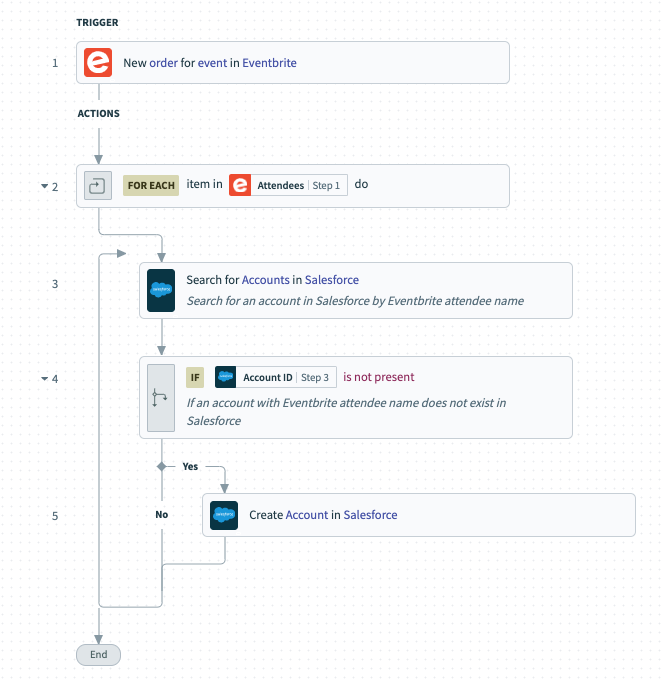
Modern businesses rely on multiple software applications to manage operations, customer relationships, communication, finance, and workflows. But when these systems operate separately, teams face delays, manual processes, and disconnected data.
Software integration helps solve that problem.
What Is Software Integration?
Software integration is the process of connecting different applications, systems, and platforms so they can share data and work together seamlessly.
Instead of operating in isolated silos, integrated systems can automatically exchange information, trigger workflows, and support more efficient business operations.
Software integration allows organizations to create a more connected digital ecosystem across departments and tools.
Why Software Integration Matters
As companies grow, they adopt more software across the business. Sales, marketing, support, finance, operations, and AI tools all depend on different systems.
Without integration, businesses often experience:
- Duplicate data across systems
- Repetitive manual tasks
- Delayed workflows
- Communication gaps between teams
- Limited operational visibility
Software integration creates a connected infrastructure that improves efficiency, accuracy, and collaboration across the organization.
How Software Integration Works
Software integration connects applications through APIs, connectors, middleware, and automation platforms.
These integrations allow systems to:
- Share data in real time
- Trigger automated actions
- Synchronize records across platforms
- Streamline business workflows
- Reduce manual processes
Modern integration platforms make it easier to connect both cloud and enterprise systems from one centralized environment.
Common Types of Software Integration
Application Integration
Connects business applications such as CRM, ERP, marketing, and support platforms.
Data Integration
Synchronizes and standardizes data between systems and databases.
API Integration
Uses APIs to enable secure communication between applications and services.
Workflow Automation
Automates processes and actions across multiple systems and departments.
Cloud Integration
Connects cloud-based applications, services, and infrastructure.
Benefits of Software Integration
Improved Efficiency
Automated workflows reduce repetitive work and improve productivity.
Better Data Accuracy
Real-time synchronization minimizes errors and duplicate information.
Faster Operations
Connected systems help teams move faster and make decisions more efficiently.
Enhanced Collaboration
Departments can work with shared and consistent business data.
Scalability
Businesses can expand systems, workflows, and automation more easily as operations grow.
Software Integration and AI Workflows
As organizations adopt AI tools and intelligent automation, integration becomes even more important.
AI agents require access to trusted systems, workflows, and business data to perform meaningful actions.
Software integration helps connect AI platforms with enterprise applications, enabling secure and scalable AI-powered operations.
Final Thoughts
Software integration is essential for building connected and efficient digital operations.
By connecting applications, automating workflows, and improving data flow across systems, businesses can operate faster, smarter, and with greater operational control.